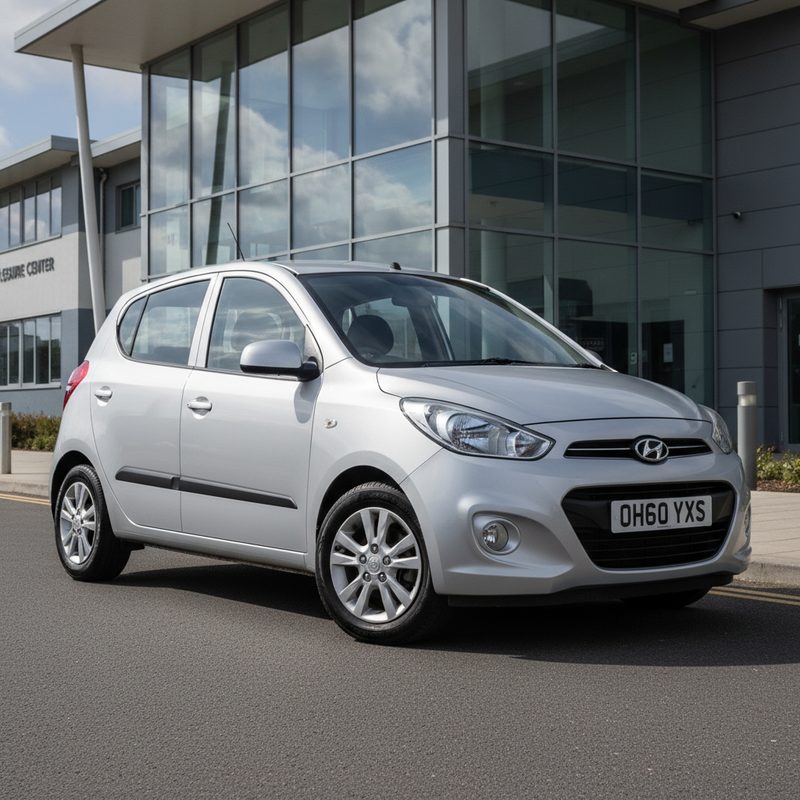
Used Hyundai Ioniq Electric: Common Problems Before Buying
Considering a used Hyundai Ioniq Electric? This guide covers common problems, battery health, and essential tips to help you make a smart buying decision.
The Hyundai Ioniq Electric is a solid choice for those looking to transition to electric driving without compromising on style or comfort. However, like any used car, it comes with its own set of potential issues that buyers should be aware of. This guide will delve into common problems, battery health expectations, real-world range versus manufacturer claims, charging costs, and running cost savings compared to petrol and diesel vehicles. By the end, you’ll have a clearer picture of whether the Ioniq Electric is the right fit for you.
Key facts
- MOT pass rate: 87.9% based on 3,877 DVSA MOT tests (fail rate 12.1%)
- Most common MOT issues: Tyres (47.9%), Brakes (21.9%), Lights (8.7%)
- Best manufacturing years: 2021 (11.1% fail rate), 2018 (12.8% fail rate)
- Worst manufacturing year: 2019 (13.6% fail rate)
- Typical mileage fail rates: Under 40,000 miles (9.8%), 40,000 to 80,000 miles (11.7%)
Battery Health: What to Check and Expect
Battery health is paramount when considering a used electric vehicle, and the Hyundai Ioniq Electric is no exception. The Ioniq comes equipped with a 38.3 kWh battery that provides a decent range, but as with any EV, battery degradation is a concern. Over time, the battery's capacity can diminish, affecting your driving range and overall performance.
When evaluating a used Ioniq, it’s essential to check the state of the battery. Look for any signs of battery management system errors or warning lights on the dashboard. A good practice is to ask the seller for the battery health report, which should indicate the current capacity compared to its original state. Ideally, you want a battery that retains at least 80% of its original capacity.
You can also use the CarBuyerIQ Vehicle Check to get an instant report on the vehicle’s battery health and history. This check will help you identify any potential red flags before making a purchase. Additionally, consider the age and mileage of the vehicle. Generally, lower mileage vehicles will have better battery health, but that’s not always the case. A well-maintained higher mileage vehicle could still have a robust battery.
Real-World Range vs Manufacturer Claims
The Hyundai Ioniq Electric boasts an official range of around 180 miles on a full charge, but real-world conditions can significantly affect this figure. Factors such as driving style, weather conditions, and the use of climate control can all impact the actual range you can expect.
In everyday driving, many owners report achieving around 150 to 160 miles under typical conditions, which is still respectable but worth noting. If you frequently drive longer distances, this range may be a concern. It’s advisable to test drive the vehicle and see how it performs under your usual driving conditions.
Moreover, consider the charging infrastructure in your area. If you live in a region with limited charging points, you might find it challenging to keep your Ioniq charged, especially if you’re relying on public charging stations. Always check the availability of charging points along your regular routes, as this can greatly influence your experience with the vehicle.
Charging Costs and Infrastructure
Charging costs are a significant consideration when owning an electric vehicle. The Ioniq Electric can be charged at home using a standard 7 kW wall box, which typically takes about 6 hours for a full charge. If you’re using a rapid charger, you can expect to charge the battery to 80% in approximately 54 minutes.
In terms of costs, charging at home can be quite economical. The average cost of electricity in the UK is around 14p per kWh, meaning a full charge would cost approximately £5.36. This is significantly cheaper than filling up a petrol or diesel vehicle, especially considering the rising fuel prices.
However, public charging can vary in cost. Some networks charge per kWh, while others may have a flat fee. It’s essential to research the charging networks available in your area and their pricing structures. Websites like AutoTrader can provide insights into local charging stations and their costs.
Common Problems Specific to the Ioniq Electric
While the Hyundai Ioniq Electric is generally well-regarded for its reliability, there are some common issues that prospective buyers should be aware of. One of the most frequently reported problems involves the vehicle’s software. Some owners have experienced glitches with the infotainment system, which can affect navigation and connectivity features. Ensure that any software updates have been applied, as these can often resolve such issues.
Another area of concern is the brakes. The Ioniq Electric has a regenerative braking system that can sometimes feel different from traditional braking systems. Some drivers report that the brakes can feel less responsive, especially in colder weather. It’s worth taking the car for a test drive to see how the brakes feel and to ensure they operate smoothly.
Additionally, as noted earlier, tyres are a significant area of concern, accounting for 47.9% of defects and advisories recorded in MOT tests. Check the condition of the tyres, including tread depth and any signs of uneven wear, which could indicate alignment issues or suspension problems.
Running Cost Savings vs Petrol/Diesel
One of the main attractions of the Hyundai Ioniq Electric is the potential for significant savings compared to petrol and diesel vehicles. In terms of fuel costs alone, the Ioniq can save you a considerable amount. With the average UK petrol price hovering around £1.40 per litre, the cost per mile for a petrol vehicle can quickly add up. In contrast, the Ioniq Electric’s cost per mile is substantially lower, making it a more economical choice for daily commuting.
Moreover, electric vehicles benefit from lower road tax rates. As of now, fully electric vehicles are exempt from road tax, which can save you around £165 annually compared to petrol and diesel cars. This exemption is a significant financial incentive for many buyers.
Insurance costs can also be lower for electric vehicles. The Ioniq Electric falls into a relatively low insurance group, which can help keep your overall running costs down. However, it’s always wise to check with your insurance provider for specific quotes based on your circumstances.
Dave's Verdict: Is It Worth Going Electric?
The Hyundai Ioniq Electric is a compelling option for anyone considering an electric vehicle. With its impressive MOT pass rate of 87.9%, it ranks well against many other models in the market. However, potential buyers should remain vigilant about battery health, common issues, and the vehicle's overall condition.
If you’re looking for a reliable, economical, and environmentally friendly vehicle, the Ioniq Electric is worth considering. Just ensure you do your homework: check the vehicle’s history, look for any common problems, and take it for a thorough test drive. The CarBuyerIQ Vehicle Check can help you uncover any hidden issues before you make a purchase.
In conclusion, while the Ioniq Electric has its quirks and potential pitfalls, it offers a great blend of efficiency, comfort, and technology. With the right checks and balances in place, you could find yourself enjoying the benefits of electric driving without the usual headaches that come with used car purchases. Happy car hunting!