Cheapest Cars To Insure New Drivers: Dave Recommends
Looking for an affordable first car? Dave reveals the cheapest cars to insure for new drivers, along with practical tips to keep costs down.
Choosing your first car can be a daunting task, especially when it comes to insurance costs. New drivers often face hefty premiums, but some cars are much cheaper to insure than others. In this guide, I’ll share my top recommendations for the cheapest cars to insure, along with practical tips to help you navigate the world of car insurance. Let’s dive in!
Key facts
- Insurance Groups: Cars are rated from 1 to 50, with lower numbers indicating cheaper insurance.
- Typical Premiums: New drivers can expect to pay anywhere from £800 to £1,500 annually, depending on the car.
- Safety Features: Cars with advanced safety features often attract lower insurance premiums.
- Engine Size: Smaller engines generally lead to lower insurance costs.
- Vehicle Age: Older cars can be cheaper to insure, but ensure they are reliable and safe.
Dave's genuine recommendations
When it comes to first cars, I always recommend starting with something practical, affordable, and easy to drive. Here are my top picks for the cheapest cars to insure for new drivers:
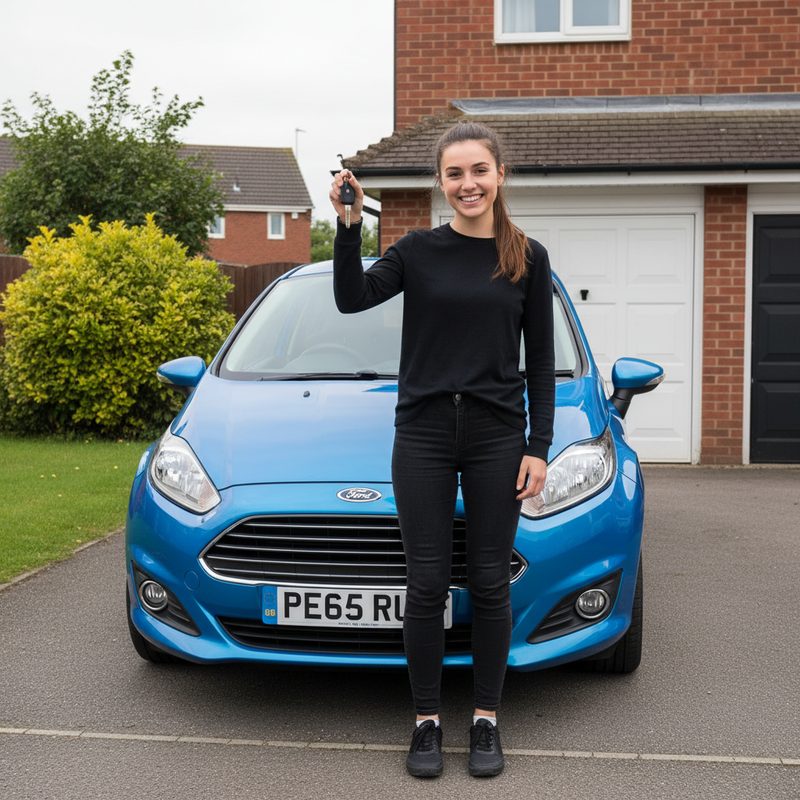
1. Ford Fiesta: The All-Rounder
The Ford Fiesta is a classic choice for new drivers, and for good reason. It’s not only fun to drive but also comes with a range of engines that are economical and cheap to insure. The Fiesta typically falls into insurance groups 1 to 10, making it a great option for those just starting out. Plus, with its compact size, it’s perfect for city driving and parking.
The Fiesta is known for its reliability and has a strong resale value, which is a bonus if you decide to upgrade later. With prices typically ranging from £4,000 to £8,000 on the used market, you can find a decent model without breaking the bank. Check out Best First Cars Under £6000: Dave Recommends for more options.
2. Volkswagen Polo: The Safe Bet
If you’re looking for a car that combines style with safety, the Volkswagen Polo is an excellent choice. It’s slightly more expensive than the Fiesta but often comes with better build quality and a more premium feel. The Polo usually sits in insurance groups 2 to 12, which is still very manageable for new drivers.
One of the standout features of the Polo is its safety ratings. It often scores highly in Euro NCAP tests, meaning you can feel secure behind the wheel. With a price range of £5,000 to £10,000, it’s a solid investment for first-time drivers. Plus, it’s a car that you can grow into as your driving skills improve.
3. Skoda Fabia: The Budget-Friendly Option
The Skoda Fabia is often overlooked, but it’s a fantastic choice for new drivers looking for something affordable to insure. With insurance groups ranging from 1 to 10, it’s one of the cheaper options on the market. The Fabia is spacious for a small car, making it a great choice for those who need a bit more room without sacrificing insurance costs.
Skoda has a reputation for reliability, and the Fabia is no exception. You can typically find used models for between £4,000 and £7,000. It’s a practical car that offers good fuel economy, making it a great choice for budget-conscious drivers.
4. Toyota Aygo: The City Car
For those who primarily drive in urban areas, the Toyota Aygo is a brilliant choice. This compact car is designed for city driving, with a small engine that keeps insurance costs low. The Aygo usually falls into insurance groups 1 to 5, making it one of the most affordable cars to insure.
The Aygo is also known for its reliability and low running costs. With prices typically ranging from £3,500 to £6,500, it’s an accessible option for new drivers. Plus, its quirky design and fun driving experience make it a joy to drive around town.
5. Hyundai i10: The Practical Choice
The Hyundai i10 is another excellent option for new drivers. It’s compact, easy to park, and falls into insurance groups 1 to 10. The i10 is known for its practicality, offering a surprising amount of space for passengers and luggage.
With a price range of £4,000 to £8,000, you can find a well-maintained used model without too much hassle. The i10 also boasts a good reputation for reliability, which is crucial for new drivers who may not want to deal with unexpected repairs. Plus, the low running costs make it an economical choice overall.
Insurance reality
Let’s face it: insurance can be a real headache for new drivers. The average premium for a young driver can range from £800 to £1,500 annually, depending on various factors like age, driving experience, and the car you choose. So, what can you do to keep those costs down?
Understanding Insurance Groups
Cars are categorised into insurance groups, which range from 1 to 50. Lower groups indicate cheaper insurance premiums. For example, a car in group 1 will generally be cheaper to insure than one in group 20. When shopping for your first car, always check the insurance group to avoid any nasty surprises.
Tips for Lowering Premiums
- Choose a Smaller Engine: Cars with smaller engines are often cheaper to insure. Look for models with engines under 1.2 litres.
- Consider a Black Box: Many insurers offer discounts for drivers willing to install a telematics device. This monitors your driving behaviour and can lead to lower premiums if you drive safely.
- Increase Your Excess: Opting for a higher voluntary excess can lower your premium, but make sure you can afford it in case of a claim.
- Limit Modifications: Stick to a standard model without modifications. Customising your car can increase your insurance costs significantly.
- Shop Around: Don’t settle for the first quote you receive. Use comparison sites to find the best deal, and consider getting quotes from insurers that specialise in young drivers.
Running costs breakdown
Owning a car comes with various costs beyond just insurance. Let’s break down what a new driver can expect to pay on a monthly basis.
Monthly Budget Example
- Insurance: £80 to £125 (depending on the car and your driving history)
- Fuel: £60 to £100 (based on average mileage and fuel prices)
- Road Tax: £10 to £20 (depending on the car's emissions)
- Maintenance and Servicing: £30 to £50 (set aside for regular servicing and unexpected repairs)
- MOT: £10 (averaged monthly, assuming an annual MOT cost of around £120)
Total Estimated Monthly Cost: £200 to £325
This budget can vary significantly based on your driving habits and the car you choose. It’s essential to factor in all these costs when deciding on your first car. Don’t forget to check the GOV.UK road tax rates to ensure you’re aware of the costs associated with your vehicle.
Safety that actually matters
Safety should be a top priority for new drivers. While Euro NCAP ratings are important, there are specific features that can make a real difference in everyday driving.
Key Safety Features
- ABS (Anti-lock Braking System): This prevents the wheels from locking during braking, helping maintain steering control.
- ESC (Electronic Stability Control): This helps prevent skidding and loss of control, especially in adverse weather conditions.
- Airbags: Look for cars with multiple airbags, including front, side, and curtain airbags for maximum protection.
- Rear Parking Sensors: These can help prevent accidents when reversing, a common concern for new drivers.
- Lane Departure Warning: This feature alerts you if you unintentionally drift out of your lane, which can be particularly useful for inexperienced drivers.
When considering a car, always check its safety features and ratings. A car with good safety credentials can not only protect you but may also lead to lower insurance premiums.
Mistakes Dave sees all the time
As a seasoned car enthusiast, I’ve seen my fair share of first-time buyers making costly mistakes. Here are some common pitfalls to avoid:
1. Ignoring Insurance Costs
Many new drivers fall in love with a car without checking the insurance costs first. Always look up the insurance group before making a purchase. It could save you a lot of money in the long run.
2. Overlooking Vehicle History
Don’t skip the vehicle history check! Always run a CarBuyerIQ Vehicle Check to uncover any hidden issues like outstanding finance or previous accidents. It’s a small investment that can save you from a big headache later.
3. Choosing the Wrong Fuel Type
Some new drivers opt for petrol cars without considering diesel options. Diesel cars can be more economical for longer journeys, while petrol cars are often better for city driving. Assess your driving habits before making a decision.
4. Forgetting About Maintenance
New drivers often underestimate the importance of regular maintenance. Set aside a budget for servicing and repairs to keep your car in good shape and avoid unexpected costs.
5. Not Shopping Around for Insurance
Don’t just accept the first insurance quote you receive. Take the time to compare different providers and policies to find the best deal for your needs.
Dave's final word
Buying your first car is an exciting milestone, but it’s essential to approach it with caution. By choosing a car that’s affordable to insure, you can save yourself a lot of stress and money down the line. Remember to consider factors like insurance groups, safety features, and running costs when making your decision.
I hope this guide has helped you narrow down your options. Whether you go for a Ford Fiesta, a Volkswagen Polo, or a Skoda Fabia, make sure to do your research and check the vehicle’s history before committing. And remember, you can always start with a free check by entering the car's registration on CarBuyerIQ. Happy car hunting, and drive safely out there!