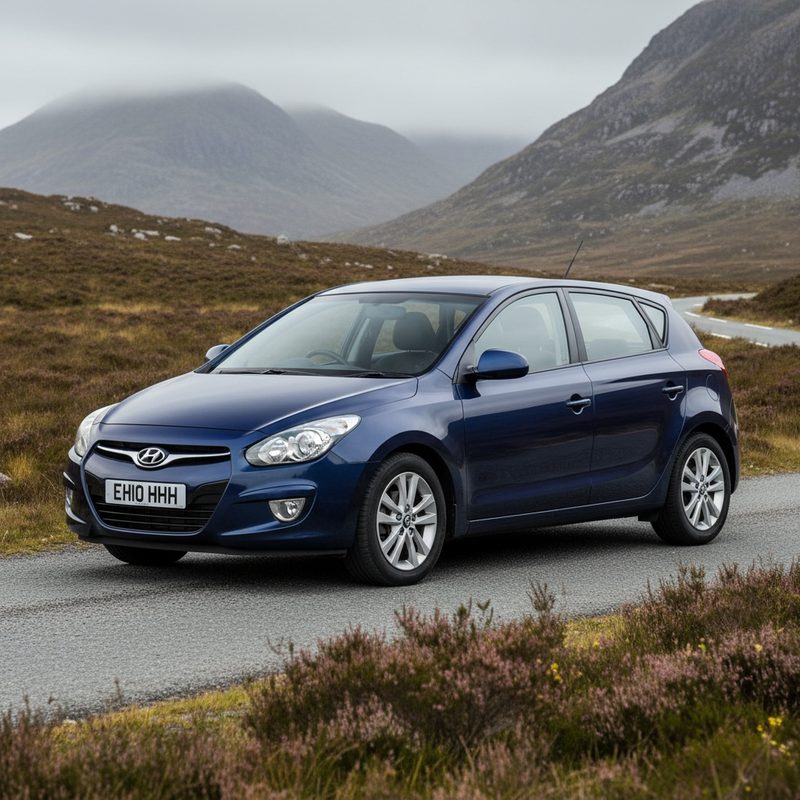
Used Hyundai Ioniq Electric: Running Costs Vs Petrol
This guide delves into the running costs of the used Hyundai Ioniq Electric versus petrol vehicles, covering everything from charging to maintenance and savings.
The Hyundai Ioniq Electric stands out in the used car market for its efficiency and low running costs compared to petrol vehicles. With a typical range of around 180 to 200 miles on a full charge, the Ioniq Electric offers a compelling alternative for those looking to reduce fuel expenses. When considering the overall running costs, including maintenance, insurance, and depreciation, the Ioniq Electric can save drivers a significant amount over its petrol counterparts.
Key facts
- The Hyundai Ioniq Electric has an MOT pass rate of 87.9% based on 3,877 DVSA MOT tests.
- The national average pass rate for all models is 79.1%.
- The most common MOT issues for the Ioniq Electric are tyres (47.9% of defects) and brakes (21.9% of defects).
- The Ioniq Electric's fail rate increases with mileage; 15.3% for cars with 80,000 to 120,000 miles.
- The worst years for MOT failures were 2019 and 2018, with fail rates of 13.6% and 12.8%, respectively.
Understanding Running Costs
Running costs for any vehicle encompass a variety of factors including fuel, insurance, maintenance, and depreciation. For electric vehicles (EVs) like the Hyundai Ioniq Electric, the most significant difference lies in fuel costs. Charging an Ioniq Electric is generally cheaper than filling up a petrol car. The average electricity cost in the UK is around 14p per kWh, which translates to approximately £5.40 for a full charge of the Ioniq Electric, assuming a battery capacity of 38.3 kWh. In contrast, petrol prices fluctuate but are typically around £1.40 per litre. Given that the Ioniq Electric can travel about 180 miles on a full charge, this results in a cost of around 3p per mile, significantly lower than the 12p to 15p per mile for petrol vehicles.
Charging Costs and Infrastructure
Charging costs are a crucial aspect of owning an electric vehicle. The Hyundai Ioniq Electric can be charged at home, at work, or at public charging stations. Home charging is the most convenient and cost-effective option, especially if you have a dedicated charging point installed. The cost of installing a home charger can range from £800 to £1,200, but government grants may reduce this expense.
Public charging infrastructure is also expanding rapidly across the UK. Many local councils and private companies are investing in charging points, making it easier to find a charging station. The Ioniq Electric supports both AC and DC charging, allowing for flexibility in charging options. A rapid charger can recharge the battery to 80% in about 54 minutes, while a standard home charger takes around 6 hours for a full charge.
For those considering the Ioniq Electric, it's essential to factor in the availability of charging points in your area. Websites like AutoTrader and apps such as Zap-Map can help locate nearby charging stations. Additionally, many supermarkets and shopping centres offer free charging while you shop, making it a convenient option for drivers.
Real-World Range vs Manufacturer Claims
While the manufacturer claims a range of up to 193 miles for the Ioniq Electric, real-world conditions can affect this figure. Factors such as driving style, weather, and use of climate control can reduce the effective range. In colder weather, for instance, the range may drop by 20% or more due to increased energy consumption for heating.
Drivers should also consider the impact of driving habits on range. Aggressive acceleration and high speeds can significantly reduce the distance you can travel on a single charge. Conversely, smooth driving and regenerative braking can help maximise range. Many Ioniq Electric owners report achieving between 150 to 180 miles in mixed driving conditions, which is still competitive in the EV market.
Common Problems Specific to the Ioniq Electric
Like any vehicle, the Hyundai Ioniq Electric has its share of common issues that prospective buyers should be aware of. Based on the Used Hyundai Ioniq Electric: Common Problems Before Buying guide, some of the most frequently reported problems include:
- Battery Degradation: Over time, the battery's capacity may diminish, affecting range. It's advisable to check the battery health before purchasing a used model. The Ioniq Electric typically retains a good portion of its battery capacity even after several years, but it's worth verifying.
- Software Issues: Some owners have reported glitches with the infotainment system, which can be resolved with software updates. Ensure that any used model has the latest software installed.
- Brakes and Tyres: As noted, brakes and tyres are common MOT failure points. Regular maintenance and checks are essential to avoid costly repairs.
For a detailed understanding of battery health, refer to the Used Hyundai Ioniq Electric: Battery Degradation What To Expect guide.
Maintenance and Insurance Costs
Maintenance costs for the Hyundai Ioniq Electric are generally lower than those for petrol vehicles. EVs have fewer moving parts, which means less wear and tear. Routine maintenance typically includes tyre rotations, brake inspections, and occasional software updates. According to industry estimates, annual maintenance costs for the Ioniq Electric can be around £150 to £200, compared to £300 to £500 for a petrol vehicle.
Insurance costs can vary widely based on factors such as the driver's age, location, and driving history. The Ioniq Electric falls into a moderate insurance group, generally around group 20 to 23, making it relatively affordable to insure compared to some petrol vehicles. For more specific insurance details, you can check the Thatcham insurance groups for the Ioniq Electric.
Depreciation and Resale Value
Depreciation is a significant factor when considering the overall cost of ownership. Electric vehicles, including the Hyundai Ioniq Electric, have historically depreciated faster than petrol vehicles. However, this trend is changing as the demand for used EVs increases. The Ioniq Electric tends to hold its value well, with a lower depreciation rate compared to some competitors. Currently, you might find used models ranging from £15,000 to £25,000, depending on the age, mileage, and condition.
When considering resale value, it’s essential to factor in the battery condition and any remaining warranty. The Ioniq Electric comes with an 8-year warranty for the battery, which can provide peace of mind for buyers. For a comprehensive understanding of how MOT history can impact resale value, check the Used Hyundai Ioniq Electric: What MOT History Tells You guide.
Dave's Verdict: Is It Worth Going Electric?
In conclusion, the Hyundai Ioniq Electric presents a compelling case for those considering a switch from petrol to electric. With its low running costs, including cheaper fuel and maintenance, it offers significant savings over time. The vehicle's impressive MOT pass rate of 87.9% indicates a reliable choice for used car buyers, especially when compared to the national average of 79.1%.
While there are common issues to be aware of, such as battery health and software glitches, the overall benefits of owning an Ioniq Electric far outweigh the potential drawbacks. With the increasing availability of charging infrastructure and the growing acceptance of electric vehicles, now is an excellent time to consider making the switch. For those interested in a specific vehicle, checking its history is crucial. Start with a CarBuyerIQ Vehicle Check to ensure you make an informed purchase. Enter the car's registration for a free check today.
Whether you're looking to save on fuel costs, reduce your carbon footprint, or simply enjoy the benefits of modern technology, the Hyundai Ioniq Electric is worth considering. Its blend of efficiency, reliability, and affordability makes it a strong contender in the used car market.